


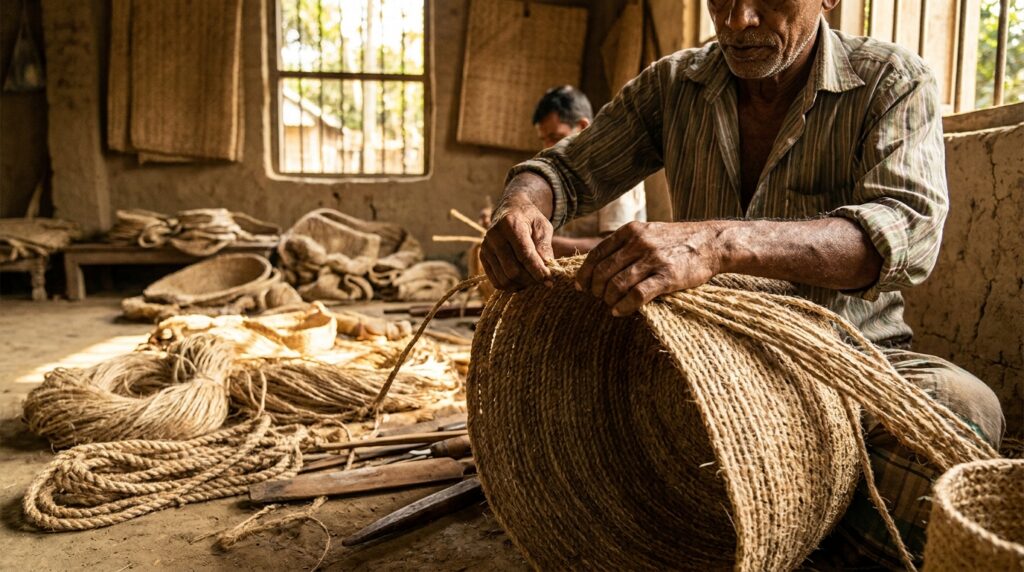
Sustainability has become one of the most influential movements shaping the modern home décor industry. Across global markets, consumers are increasingly choosing products that not only look beautiful but also reflect responsible sourcing, ethical production, and long-term environmental awareness.
From handcrafted baskets and woven rugs to organic textiles and recycled material products, sustainable home décor is no longer considered a niche category. It has evolved into a major global trend driven by changing consumer values, eco-conscious lifestyles, and growing awareness of environmental impact.
Today, buyers, retailers, and interior designers are actively seeking products made with natural materials, handcrafted techniques, and responsible manufacturing practices — creating new opportunities for sustainable product manufacturers worldwide.
Why Buyers Prefer Sustainable Products
Modern consumers are becoming more intentional about the products they bring into their homes. Instead of focusing only on appearance or price, buyers are increasingly evaluating how products are made, what materials are used, and the impact production has on people and the environment.
Several factors are driving this shift:
Environmental Awareness
Consumers are more aware of issues such as plastic waste, pollution, overproduction, and unsustainable manufacturing. As a result, products made from natural, biodegradable, or recycled materials are gaining significant popularity.
Preference for Natural Aesthetics
Natural textures, earthy colors, and handcrafted finishes create a warm and timeless aesthetic that aligns with modern interior design trends. Sustainable home décor products often offer a more authentic and organic appearance compared to mass-produced alternatives.
Interest in Ethical Production
Buyers increasingly support brands that prioritize fair labor practices, artisan empowerment, and responsible sourcing. Products with transparent production processes and ethical certifications build greater trust among consumers and international buyers.
Long-Term Value
Sustainable products are often associated with durability, craftsmanship, and quality. Instead of disposable décor items, consumers prefer products designed to last longer and maintain their functionality over time.
Popular Natural Materials in Home Décor
Natural materials play a major role in sustainable home décor manufacturing. These materials are valued not only for their environmental benefits but also for their texture, versatility, and timeless visual appeal.
Jute
Jute has become one of the most widely used materials in sustainable décor products. Known for its strength and biodegradability, jute is commonly used in baskets, rugs, storage solutions, wall décor, and lifestyle accessories.
Its natural earthy texture fits perfectly with minimalist, Scandinavian, bohemian, and contemporary interior styles.
Cotton
Cotton remains a preferred material for home textiles such as cushions, throws, rugs, and woven accessories. Organic and recycled cotton options are becoming increasingly popular among environmentally conscious buyers.
Seagrass & Natural Fibers
Seagrass, water hyacinth, and other natural fibers are widely used for handcrafted baskets and decorative products. These materials provide durability while maintaining a lightweight and natural aesthetic.
Recycled Yarn & Fabric
Many manufacturers now incorporate recycled yarn and repurposed textile waste into handcrafted products. This approach helps reduce industrial waste while creating unique and sustainable product collections.
Handmade vs Mass Production
One of the defining characteristics of sustainable home décor is the return to handcrafted production methods.
While mass production prioritizes speed and volume, handcrafted manufacturing focuses more on craftsmanship, detail, and product individuality.
Benefits of Handmade Production
Better Craftsmanship
Handmade products often feature greater attention to detail, texture, and finishing. Skilled artisans contribute experience and creativity that machines cannot fully replicate.
Lower Environmental Impact
Traditional handcrafted production generally requires less industrial machinery and lower energy consumption compared to large-scale factory manufacturing.
Preservation of Traditional Skills
Handcrafted production helps preserve cultural craftsmanship and traditional weaving techniques that have been passed down through generations.
Product Uniqueness
Each handcrafted product carries subtle variations that make it feel more authentic and distinctive.
The Challenges of Mass Production
Mass-produced décor products are often manufactured using synthetic materials, large-scale machinery, and high-volume production systems that can contribute to increased waste and environmental strain.
As sustainability becomes a larger purchasing factor, many buyers are moving away from disposable décor trends and choosing products with more meaning, durability, and craftsmanship.
Eco-Conscious Consumer Trends
Global buying behavior is changing rapidly, especially among younger generations who prioritize sustainability and ethical consumption.
Several key trends are shaping the future of the home décor industry:
Minimalist Living
Consumers are purchasing fewer but higher-quality products that serve both functional and aesthetic purposes.
Sustainable Interior Design
Interior designers and homeowners are incorporating more natural textures, handmade décor, and eco-friendly materials into residential and commercial spaces.
Demand for Transparency
Buyers increasingly want to know where products come from, how they are produced, and whether ethical labor practices are followed.
Rise of Eco-Friendly Brands
Retailers and brands focusing on sustainability are gaining stronger customer loyalty and competitive advantages in global markets.
Interest in Artisan-Made Products
Consumers value products with human stories, cultural craftsmanship, and authentic handmade appeal.
The Future of Sustainable Living Products
The future of the home décor industry is expected to become even more connected to sustainability, responsible sourcing, and conscious consumerism.
Manufacturers are increasingly investing in:
- Recycled and renewable materials
- Ethical production standards
- Eco-friendly packaging
- Low-impact manufacturing methods
- Long-lasting product development
- Transparent supply chains
At the same time, global buyers are continuing to seek suppliers who can combine quality craftsmanship, modern design, sustainability, and reliable export capabilities.
Handcrafted and sustainable products are no longer simply alternative options — they are becoming a preferred standard in modern home and lifestyle markets.
Conclusion
The growing demand for sustainable home décor reflects a larger global shift toward responsible living and conscious purchasing decisions.
Natural materials, handcrafted production, recycled resources, and ethical manufacturing are shaping the future of the industry while creating meaningful opportunities for artisans, manufacturers, and environmentally responsible brands.
As consumers continue to prioritize sustainability, handcrafted home décor products made with care, quality, and purpose will remain an important part of modern living spaces around the world.